
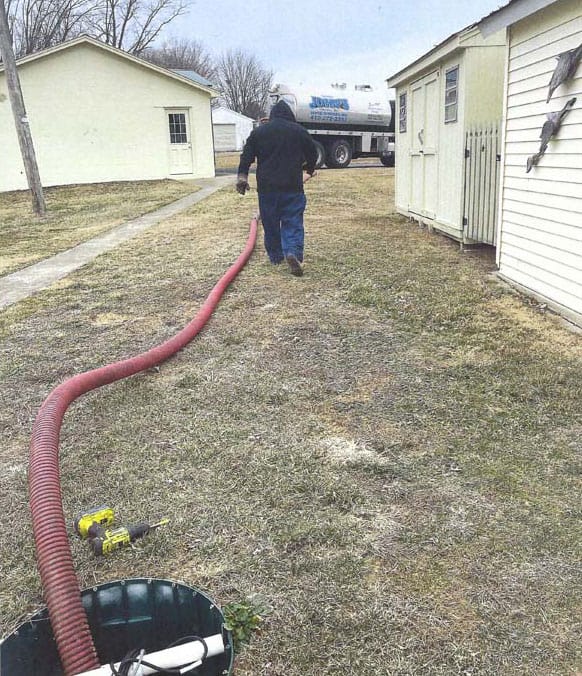
Most household septic tanks should be pumped about every three to five years. The right schedule for your Harford County home can be shorter or longer depending on household size, water use, tank capacity, the amount of solids entering the system and what a septic inspection finds.
The best approach is to use the three-to-five-year range as a starting point, keep records of pumping and inspections, and adjust the schedule to the way your household and septic system actually operate.
If your tank is approaching its service interval, learn more about our septic tank pumping services.
How Often Should a Septic Tank Be Pumped?
The U.S. Environmental Protection Agency states that the average household septic system should be inspected at least every three years and that septic tanks are typically pumped every three to five years. Systems with electrical switches, pumps or other mechanical components may require more frequent inspection.
EPA’s guidance for caring for a septic system
The EPA interval is general guidance rather than a fixed deadline for every property. A septic professional can consider the depth of the sludge and scum layers, tank condition, household use and service history when recommending the next pumping date.
If you recently purchased a home and do not have reliable septic records, schedule an inspection instead of assuming the tank was pumped before the sale.
What Changes Your Septic-Pumping Schedule?
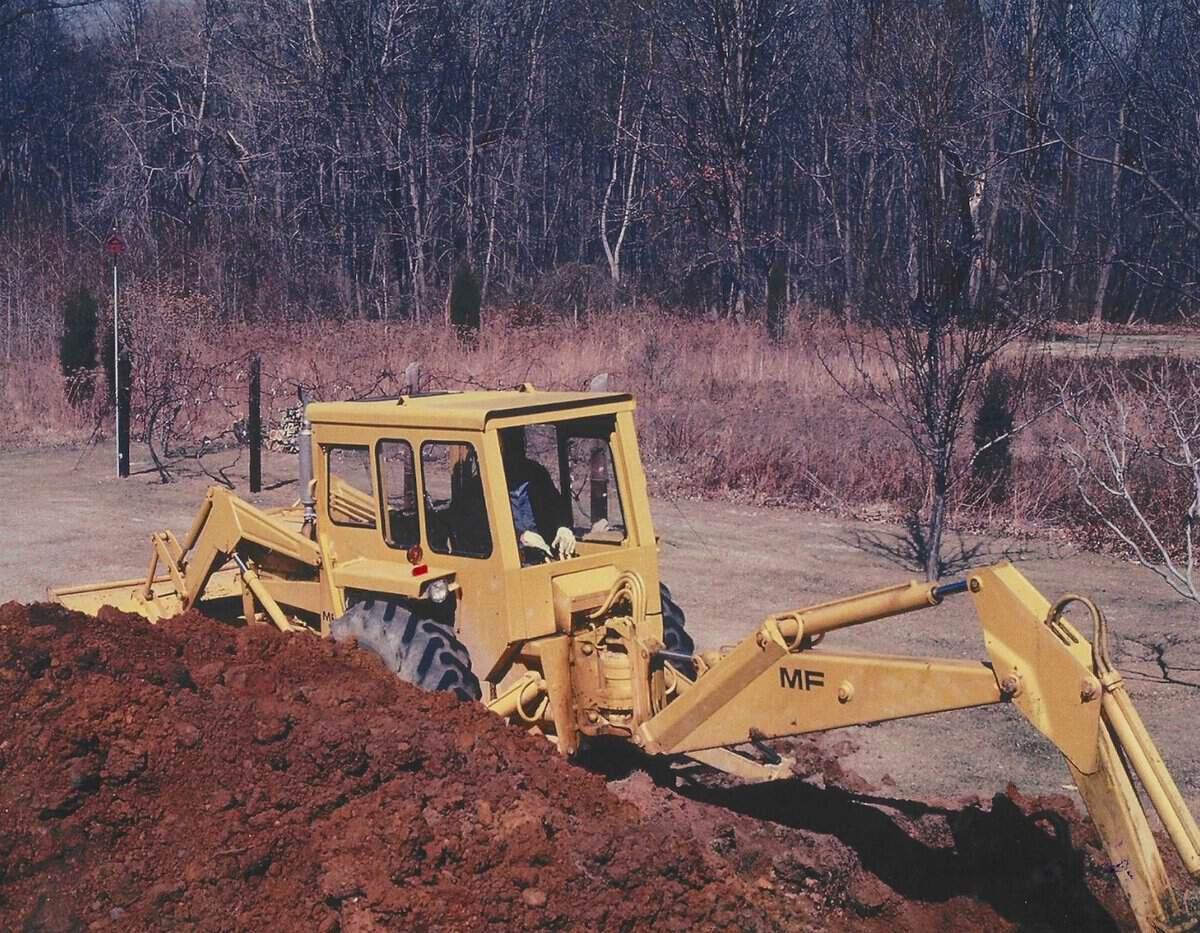
Household Size and Water Use
More occupants usually create more wastewater and solids. Frequent laundry, long showers, leaking fixtures and other high water use can also increase the load on the system. A household whose occupancy or water use has increased may need service sooner than its previous schedule suggests.
Septic-Tank Size
A smaller tank can reach its working limit sooner than a larger tank serving a similar household. Tank capacity should be considered together with occupancy and water use; capacity alone does not establish an exact pumping interval.
Garbage-Disposal Use
A garbage disposal sends additional food solids into the septic tank. Heavy disposal use may increase solid accumulation and shorten the time between pumpings. Keeping grease, coffee grounds and nonflushable materials out of household drains also helps reduce unnecessary strain on the system.
System Type and Mechanical Components
Some septic systems include pumps, controls, alarms or treatment components that require inspection or maintenance more often than a conventional gravity system. Follow the maintenance requirements for the specific system installed on the property.
Do Not Wait for Warning Signs
Routine pumping should happen before sewage backs up or wastewater appears in the yard. Slow drains, gurgling plumbing, sewage odors, wet areas near the tank or drain field and unusually green grass can indicate a developing problem, but a tank may need pumping without producing an obvious warning.
If wastewater is backing up into the home or surfacing outdoors, limit water use and arrange professional service promptly. Do not enter a septic tank or attempt to inspect inside it; septic tanks can contain toxic gases and other serious hazards.
Review five warning signs your septic tank may need pumping before it backs up.
What Happens When Pumping Is Delayed?
As solids accumulate, the tank has less effective working capacity. Solids may move toward the outlet and enter the drain field, where they can clog soil and interfere with wastewater treatment. Pumping removes accumulated tank solids, but it cannot reverse every type of drain-field damage.
A backup or persistently wet drain-field area may require more than routine pumping. The system should be evaluated so the actual cause can be identified.
Learn about septic system repair services when pumping alone may not solve the problem.
If an aging or failed system cannot be repaired, review our septic system installation and replacement services.
Septic Pumping and Maryland Property Transactions
Septic documentation can be useful when buying or selling a home, but inspection, testing and pumping requirements can vary by property, lender, contract and local authority. Do not assume that every Maryland sale automatically requires the same septic procedure.
Buyers and sellers should review the sales contract, property records and any instructions from the lender, inspector and appropriate local health department. A current inspection or pumping record may help document the system’s service history, but it does not guarantee the future performance of the tank or drain field.
Maryland property owners can also review the Maryland Department of the Environment’s information about onsite disposal systems.
Septic Service Experience in Harford County
John’s Septic Service has served Maryland homeowners and businesses since 1969. Our service area includes Harford County, Cecil County and eastern Baltimore County.
When you call about pumping, share the property location, the number of people in the household, the last known pumping date and any symptoms you have noticed. If the septic access point is known, that information can also help with scheduling and preparation.
Learn more about John’s Septic Service and view our Maryland service area.
Frequently Asked Questions About Septic-Tank Pumping
FAQs
Is every three to five years the right schedule for every septic tank?
No. Three to five years is common guidance for household tanks, but actual timing depends on household size, water use, tank capacity, solids and inspection findings. Use your service records and a professional evaluation to establish the schedule for your system.
Should I pump the tank if I do not know when it was last serviced?
Can I wait until the septic system shows warning signs?
Does septic-tank pumping fix every septic problem?
What information should I keep after septic pumping?
Visit our septic system FAQ for answers to additional maintenance and service questions.
When Should You Schedule Septic Pumping?
Schedule service if your tank is approaching the three-to-five-year range, an inspection recommends pumping, your household use has increased or you do not have reliable maintenance records. Arrange prompt evaluation if you notice slow drains, gurgling, odors, wet ground or a wastewater backup.
Contact John’s Septic Service to discuss septic tank pumping in Harford County, Cecil County or eastern Baltimore County.
Call 410-272-2317 or 410-272-2319 to discuss your septic-service needs.
This article was reviewed and approved by John Call, Owner-Operator and Fleet Manager of John’s Septic Service, Inc. John’s Septic Service has served Harford County, Cecil County, and Baltimore County since 1969 with professional septic pumping, septic repair, septic installation, and septic system maintenance services. The company is fully insured, a Chamber of Commerce member, and has been featured in Pumper Magazine for service excellence. Content last reviewed: March 2, 2026.
